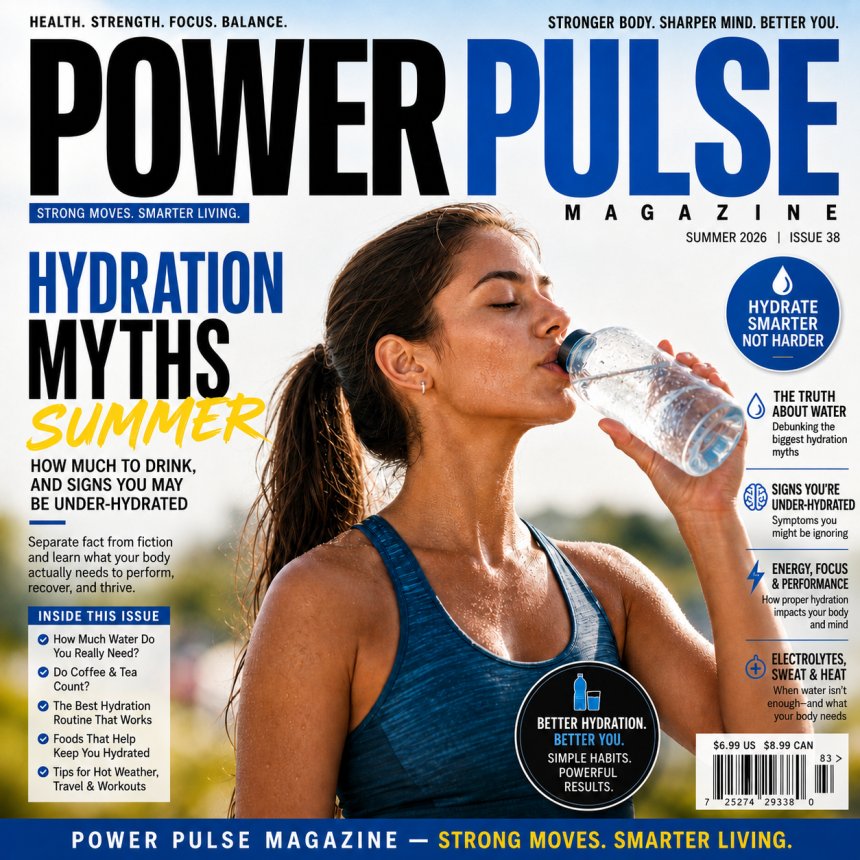
Beyond Water: Hydrating Drinks That Also Deliver the Nutrients You Need

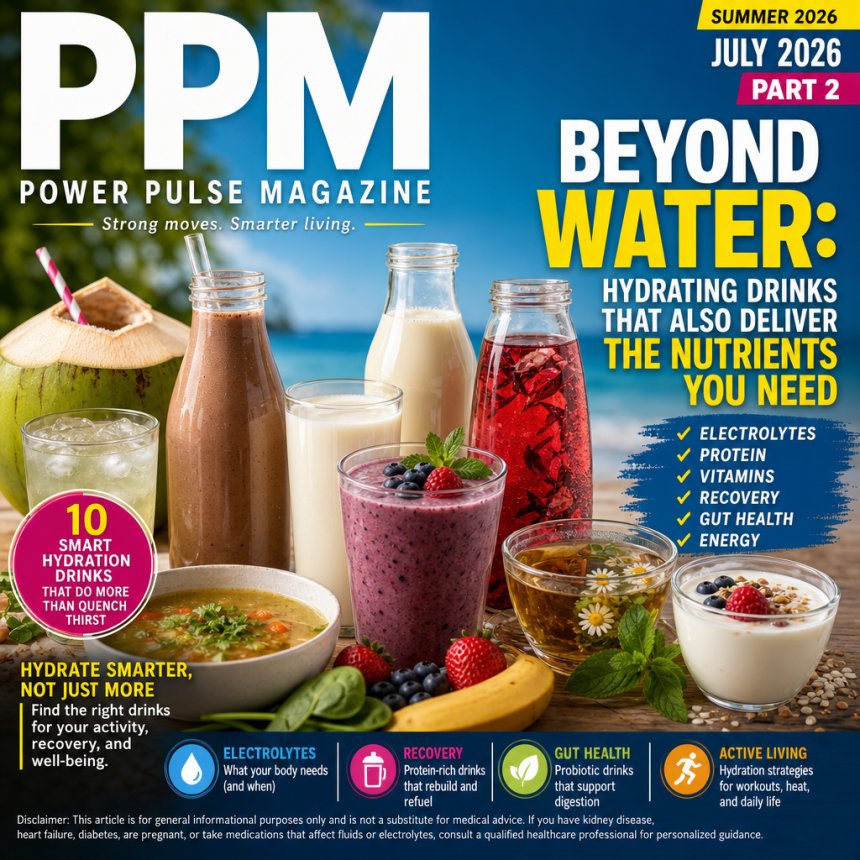

Beyond Water: Hydrating Drinks That Also Deliver the Nutrients You Need
Category: Health & Wellness / Nutrition
By: Maya Brooks, Lifestyle & Wellness Writer | Power Pulse Magazine
Water is the foundation of hydration, but it is not the only drink that can help your body stay balanced, energized, and functioning well. In fact, depending on your activity level, diet, climate, and recovery needs, other beverages can offer something plain water cannot: electrolytes, protein, calcium, probiotics, antioxidants, or carbohydrates for energy.
The key is knowing which drinks actually support hydration — and which ones are just marketed that way.
Some beverages help replace what you lose through sweat. Others provide nutrients that support recovery, digestion, or energy. And some are simply sugary drinks in disguise.
If you want to hydrate smarter, not just more, here are some of the best drink options beyond water and what they really do for your body.
Why hydration is about more than fluids
Hydration is not just about how much liquid you drink. It is about how well your body can absorb, use, and retain that fluid.
That is where nutrients come in.
Your body needs:
- Sodium to help retain fluid
- Potassium to support muscle and nerve function
- Magnesium for muscle and energy support
- Calcium for bones and muscle contraction
- Carbohydrates during long or intense activity
- Protein for recovery and muscle repair
What people may not know:
A drink can be hydrating without being “just water.” In some cases, a little sugar or sodium actually improves fluid absorption.
1) Milk: one of the most underrated hydration drinks
Milk is surprisingly effective for hydration, especially after exercise. It contains:
- water
- protein
- carbohydrate
- sodium
- potassium
- calcium
- vitamin B12
- sometimes vitamin D
Why it works
Milk stays in the stomach longer than water, which can help with steadier fluid delivery. Its protein and electrolytes also make it useful for recovery.
Best for
- post-workout recovery
- people who need extra protein
- those who tolerate dairy well
Good to know
Both low-fat and skim milk can hydrate effectively. Chocolate milk is also popular after exercise because it adds carbs for recovery, though it contains more added sugar.
2) Fortified soy milk: a strong plant-based option
Unsweetened fortified soy milk is one of the best plant-based alternatives for hydration and nutrition.
It can provide:
- water
- protein
- calcium
- vitamin D
- potassium
- sometimes vitamin B12, depending on the brand
Why it stands out
Compared with many other plant milks, soy milk usually has more protein, which makes it more filling and more useful for recovery.
Best for
- plant-based diets
- post-workout drinking
- replacing dairy with a nutrient-dense option
Watch for
Choose unsweetened versions when possible. Flavored versions can add a lot of sugar.
3) Coconut water: good for light electrolyte replacement
Coconut water is often marketed as a miracle drink, but the truth is more balanced.
It contains:
- water
- potassium
- small amounts of sodium
- magnesium
- some natural sugars
Why people like it
Coconut water can be refreshing and useful after light to moderate sweating.
Best for
- casual hydration
- warm-weather sipping
- mild post-exercise fluid replacement
What people may not know
Coconut water is not ideal as the only hydration source after heavy sweating because it is usually low in sodium, and sodium is one of the main electrolytes lost in sweat.
4) Electrolyte drinks: useful, but not always necessary
Electrolyte drinks can help replace sodium, potassium, and sometimes magnesium after heavy sweating, illness, or endurance exercise.
Why they help
They support fluid retention and may reduce the chance of feeling drained after intense activity.
Best for
- long workouts
- sports in heat
- heavy sweaters
- illness involving vomiting or diarrhea
- endurance events
Important tip
Not all electrolyte drinks are created equal. Some are basically sugary sports drinks with a few minerals added.
Look for:
- a reasonable amount of sodium
- not too much added sugar unless you need quick energy
- ingredients that match your activity level
What people may not know
If you are exercising casually for less than an hour, you usually do not need a sports drink. Water and food are often enough.
5) Herbal tea: hydration with a calming bonus
Caffeine-free herbal teas can count toward your fluid intake and may offer extra benefits depending on the herbs used.
Examples include:
- chamomile
- peppermint
- ginger
- rooibos
- hibiscus
Possible benefits
- hydration
- warmth and comfort
- digestive support
- relaxation
- antioxidants, depending on the tea
Best for
- evenings
- cold weather
- a lower-caffeine routine
- people who want a flavorful drink without added sugar
Good to know
Herbal tea is generally hydrating, but some ingredients may not be appropriate for pregnancy, medication use, or specific health conditions. When in doubt, check with a healthcare provider.
6) Broth and soup: hydration with sodium and comfort
Clear broth or soup may not seem like a drink, but it can be a powerful hydration tool.
It provides:
- fluid
- sodium
- warmth
- sometimes protein and minerals, depending on the recipe
Why it matters
Broth can be especially useful when you are sick, recovering from a hard workout, or simply struggling to eat.
Best for
- illness recovery
- winter hydration
- replacing sodium after heavy sweating
- people with low appetite
What people may not know
Sodium is not always the enemy. In the right context, it helps your body hold onto the fluid you drink.
7) Smoothies: hydration plus vitamins, minerals, and fiber
A well-made smoothie can be a nutrient-dense hydration option. It may include:
- water or milk
- fruit
- vegetables
- yogurt
- nut butter
- seeds
- protein powder
Why smoothies help
They can provide hydration along with:
- potassium
- vitamin C
- calcium
- protein
- fiber
- antioxidants
Best for
- breakfast
- post-workout recovery
- people who struggle to eat enough fruit and vegetables
Watch for
Some smoothies are basically desserts. Additions like syrup, large amounts of juice, or sweetened yogurt can turn a healthy drink into a sugar bomb.
Tip: Blend fruit with a protein source and a fluid base for better balance.
8) Diluted fruit juice: better than soda, but not a free pass
Juice can hydrate, and diluted juice can be especially useful in certain situations, such as:
- after exercise
- during illness
- when you need quick carbohydrates
Why it works
Juice contains water and carbohydrates, which can help restore energy.
Best for
- short-term energy
- mild dehydration
- recovery after intense activity
Important caution
Fruit juice can be high in sugar and low in fiber. It is not the same as eating whole fruit.
Smart move: Dilute juice with water to reduce sugar while keeping taste and fluid intake.
9) Kefir or drinkable yogurt: hydration with probiotics and protein
Kefir and drinkable yogurt drinks can offer:
- fluid
- protein
- calcium
- probiotics
- sometimes vitamin D
Why they stand out
They support both hydration and gut health, depending on the product and live cultures used.
Best for
- recovery
- breakfast
- people who want more protein in liquid form
Watch for
Some drinkable yogurts contain a lot of added sugar. Check the label before assuming it is a health drink.
10) Milk alternatives with nutrients: choose carefully
Not all plant-based milks are equal.
Some are low in protein and nutrients unless fortified. Others are built to mimic the nutrition of dairy more closely.
Better options
- fortified soy milk
- fortified pea milk
- fortified oat milk, if you like the taste and check the label
Look for
- calcium
- vitamin D
- vitamin B12
- protein
- low added sugar
What people may not know
Many plant milks are mostly water with little nutrition unless fortified. Read the label if you want more than just flavor.
How to choose the right hydration drink for your needs
If you’re sweating a lot
Choose:
- electrolyte drink
- broth
- milk after exercise
- coconut water plus a salty snack
If you need recovery
Choose:
- milk
- soy milk
- kefir
- smoothie with protein
If you want calm hydration
Choose:
- Caffeine - Free herbal tea
- warm broth
- infused water
- plain water with meals
If you need energy too
Choose:
- smoothie
- milk
- diluted juice
- electrolyte drink with carbs during endurance activity
Common hydration mistakes to avoid
Mistake 1: assuming “healthy” means hydrating
A drink can be marketed as wellness-friendly while still being loaded with sugar.
Mistake 2: choosing drinks with no sodium after heavy sweating
If you sweat a lot, plain water alone may not fully replace what you lost.
Mistake 3: drinking only when you feel thirsty
Thirst is useful, but by the time it hits hard, you may already be behind.
Mistake 4: overdoing sports drinks
You do not need electrolyte drinks all day, every day.
Mistake 5: forgetting the food part of hydration
Soups, fruits, yogurt, and vegetables all contribute to fluid and nutrient intake.
The bottom line
When it comes to hydration, water is essential — but it is not the only option. Milk, fortified soy milk, coconut water, herbal tea, broth, smoothies, kefir, and electrolyte drinks can all support hydration while also giving your body nutrients it actually uses.
The smartest choice is not the trendiest one. It is the one that matches your needs:
- water for everyday hydration
- electrolytes for heavy sweating
- protein-rich drinks for recovery
- nutrient-dense options when food intake is low
Hydration should do more than quench thirst. Done right, it should help you feel stronger, clearer, and more ready for whatever the day demands.
Power Pulse Magazine — Strong moves. Smarter living.
Disclaimer: This article is for general informational purposes only and is not a substitute for medical advice. If you have kidney disease, heart failure, diabetes, are pregnant, or take medications that affect fluids or electrolytes, consult a qualified healthcare professional for personalized guidance.
Share
What's Your Reaction?
 Like
0
Like
0
 Dislike
0
Dislike
0
 Love
0
Love
0
 Funny
0
Funny
0
 Angry
0
Angry
0
 Sad
0
Sad
0
 Wow
0
Wow
0